



Harrogate Museum Roman period bizarre faces oil lamp
Named after its bizarre face design, it features a handle with a loop at the top and a small ring below. The central opening is semi-circular, resembling a face shaped mouth, surrounded by decorations representing beards, and each endpoint has a ring. It has three nozzles and a seal with a Greek inscription on the base. It can be traced back to the Greco Roman period. It was once part of the Kent Collection and was bequeathed to the Harrogate Museum in 1968. Items from Gaza. Not only did it meet the practical needs of ancient people, but it also demonstrated the cultural characteristics of the time in terms of artistry and decoration.

Cambridge Fitzwilliam Museum Ancient Egyptian "Frog" Pottery Oil Lamp
The pottery oil lamp is a molded product of the ancient Egyptian "frog" type, with a circular oil storage tank, a hole in the center of the top, and concentric ring decorations around it. The top of the oil storage tank is decorated with a concave "frog and corn" pattern, and the base has a concave ring around the raised pottery mark. The nozzle extends from the main body of the oil lamp and also has a concave decoration. Burning spots with traces of use left on them. The oil lamp is made of brown Nile silt with a gray core inside. It can be traced back to the 2nd to 4th centuries AD. From the Fayum region. Now part of the collection of the Fitzwilliam Museum in Cambridge

Harrogate Museum Ancient Egyptian Ceramic Oil Lamp
A molded Egyptian pottery oil lamp with a goat pattern painted on its decorative plate. The shoulder of the oil lamp is decorated with a row of embossed oval patterns and marked with a vent hole. There are two circular dot patterns on both sides of the nozzle, with a protruding point at the chamfer. There is a circular handle at the back. There is also a circular dot pattern in the center of the raised base. The surface is covered with a coating ranging from yellow to reddish brown, with a white coating underneath. The side of the oil lamp is damaged. It was once part of the Kent Collection and was bequeathed to the Harrogate Museum in 1968. It was produced in Ephesus, Türkiye, between AD 98 and 192.

University Museum of Tübingen Rome Oil Lamp
Roman oil lamp characterized by a triangular wick hole and decorated with spiral patterns. The decorative style embodies the refinement and pragmatism of Roman art. Its design is not only beautiful, but also takes into account the efficiency of lighting. Three concentric circles inside depict a pegasus, a winged horse in Roman mythology that symbolizes power and speed. It is a lighting tool in the daily life of the Roman period, and it is also the crystallization of art and technology. It not only provides a light source, but also reflects the cultural and religious beliefs of the society at that time to a certain extent. Originated in Sardinia and donated by EduardToda.

Popular Models
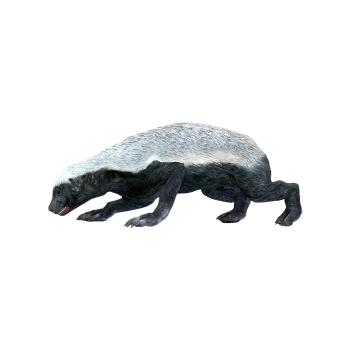
Honey Badger (3D animated model)
199 View
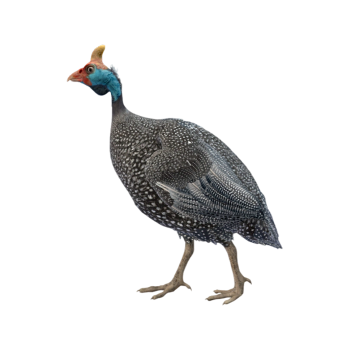
Guinea fowl (3D animated model)
168 View
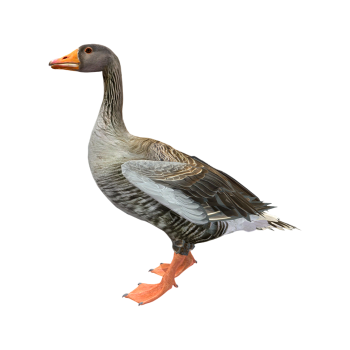
Wild Goose (3D animated model)
190 View
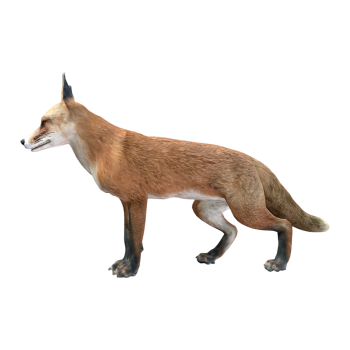
Red Fox (3D animated model)
158 View
Random Model


Golden Reclining Buddha
862 View

Wild carrot flower
997 View

Virón CORN black board shoes
925 View


Lupine
515 View

Old style military kettle
1227 View

Brown Bear 3D Model with Animation
1071 View

La Vall é e Castle, Spain
890 View